

Accelerate enterprise software modernization and digital transformation with AI agents that unify business and IT for faster, safer, and more cost-effective delivery.
In the digital economy, enterprises—especially banks and financial institutions—are becoming fully software-driven, where change is the new normal. Yet, most still operate on rigid legacy architectures, fragmented toolchains, and manual SDLC (Software Development Life Cycle) processes. The industry needs continuous improvements to keep up with regulations, cyber risks, and rapid product innovations. However, challenges remain where legacy applications are costly to replace, late-stage defects are 100x more expensive to fix, and scarce talent hinders transformation.
McKinsey highlights that AI agents represent the next frontier, moving from knowledge to action, capable of handling complex, multi-step workflows once too variable to automate. Proven implementations, such a bank’s migration from IBM mainframe to a distributed cloud-native core, shows that AI-assisted business modeling with integrated toolchains can transform core systems incrementally - mitigating risks while delivering measurable ROI.
Today’s key pain-points for the traditional SDLC are:
 Legacy rigidity
Mainframes and COBOL systems restrict agility, inflate maintenance costs, and lack future-readiness.
 Fragmented delivery
Disjointed tools, manual processes, and poor traceability lead to costly rework and compliance gaps.
 Slow innovation
Lengthy release cycles and scarce skilled resources delay time-to-market for new products.
The GienTech SDLC AI Agents modernize enterprise software delivery by embedding intelligence across the full SDLC. It can be modularly implemented depending on the client’s specific needs.
Powered by the Business-Technology Integrated (BTI) Toolchain, it provides a unified platform where business models drive design, coding, testing, and deployment—ensuring end-to-end traceability and alignment. It includes a proven business modeling methodology and a banking reference model.
Market solutions focus mainly on the code level, whilst our model-driven, business-technology integrated approach ensures end-to-end traceability — from requirements to models, then code, and tests — uniquely aligning delivery with banking compliance and business needs.
BTI Toolchain Key Capabilities
Model-driven automation:Business needs, requirements, and even legacy code are transformed into a centralized model repository, serving as the single source of truth for reqs-to-mode, code-to-mode, model-to-test, model-to-code and model-to-deployment.
AI agent integration:Automates coding, testing, governance, and model generation with human-in-the-loop while maintaining compliance and traceability.
Unified SDLC pipeline:Seamlessly links DevSecOps, runtime platforms (PaaS), and infrastructure (IaaS) to enable faster, more agile, and cost-efficient delivery.
Specialized AI Agent Solutions
AI Modeling Agent:Converts unstructured requirements or legacy code into structured business models, enabling requirement-to-model and code-to-model capabilities.
AI Coding Agent:Generates up to 90% of production-ready code from validated models or requirements with human-in-the-loop review. It supports model-to-code and requirement-to-code and includes an executable model capability for directly running modeled business processes and rules without generating code.
AI Testing Agent: Shifts testing left by auto-generating test cases, scripts, and data—cutting defect resolution time by up to 50%, with model-to-test and requirement-to-test coverage.
Together, these agents shorten the delivery cycles, enable shift-left testing, and support incremental modernization strategies such as the strangler pattern, reducing risks of big-bang cutovers.
For banks, this delivers modern, cloud-native, distributed, and business-driven core systems with resilience and agility.
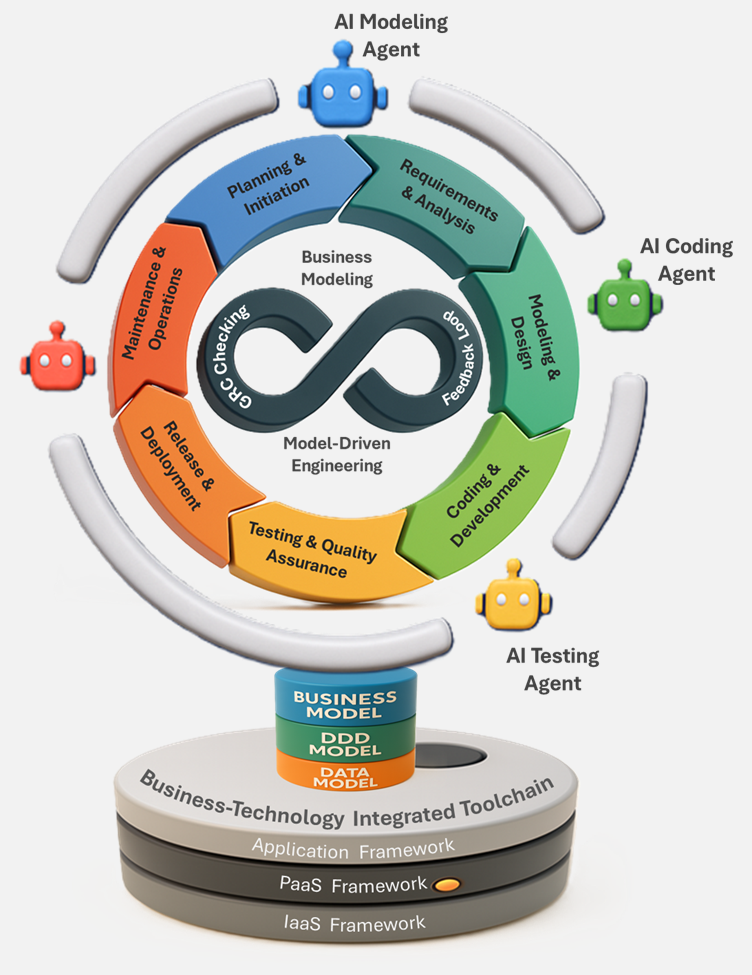
Figure 1: Continuous SDLC powered by BTI Toolchain
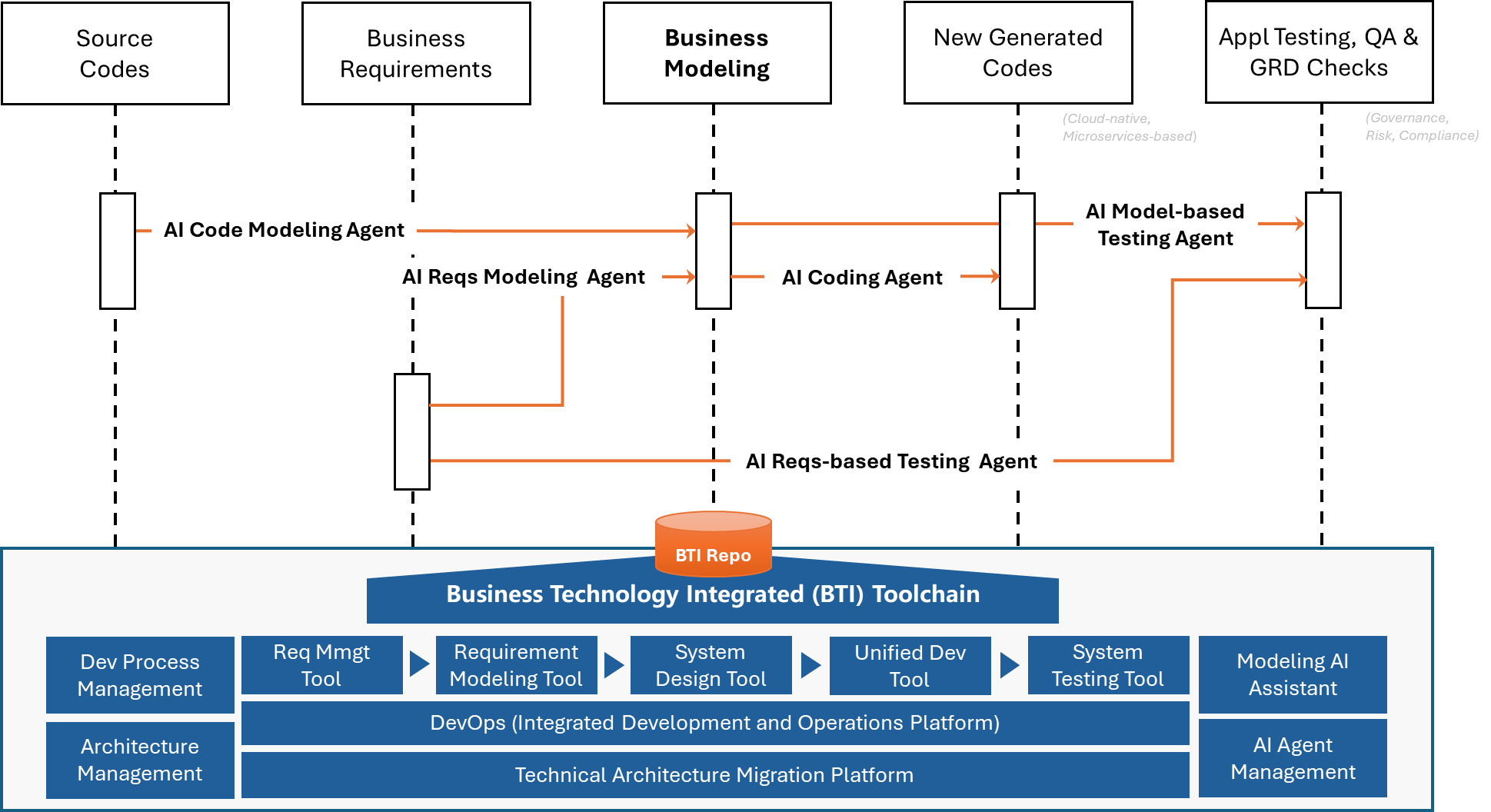
Figure 2: AI Agent Solution Accelerator Suite
Legacy code modernization| Transform COBOL or monolithic systems into cloud-native applications by reverse-engineering code into business models, then forward-engineering into distributed microservices. Or just from requirements to model.
Regulatory compliance automation| Maintain traceability from requirements → models → code → tests to meet stringent financial regulations with auditable evidence.
Digital product acceleration| Rapidly launch new financial services by modeling business processes into reusable components and generating applications.
Shift-Left Testing| Continuous, shift-left testing by auto-generating test cases, data, and scripts from business models, drastically reducing defect resolution times.
AI-augmented development teams| Boost productivity of limited engineering talent by automating coding tasks while preserving human-in-the-loop quality assurance.
Accelerates product delivery cycles, helping banks launch new offerings in weeks, not months.
- Code or Requirements to Model
Converts requirement legacy code or documents into structured business models.
- Model or Requirements to Code
Generates up to 90% production-ready code with oversight through forward or reverse engineering.
- Model or Requirements to Test
Auto-creates executable test cases, scripts, and datasets from the business model or requirements.
- Centralized repository
Single source of truth with versioning, auditability and traceability.
- Bi-directional mapping
Requirement changes instantly reflect across digital assets from code to test, and even deployment.
- Business-friendly models
Readable, editable by non-technical users for rapid response.
Technical Advantages
• Integrated end-to-end toolchain
Unifies business, design, coding, and testing into a single toolchain, eliminating silos and duplication.
• 5-level business modeling
Covers business capabilities, processes, data, applications, and technology for enterprise-wide consistency. Available reference business model for banking.
• Bi-directional traceability
Any requirement changes map instantly across digital assets, ensuring accuracy and compliance.
• Cloud-native microservices
Supports distributed, containerized, and horizontally scalable architecture with resilience.
• Human-in-the-loop transparency
Ensures AI outputs are reviewable, editable, and auditable—critical for banking compliance and governance.
• Open standards adoption
Prevents vendor lock-in by using open APIs, DDD, BPMN/UML standards, and replaceable infrastructure layers.
Solution Advantages
• Unified business-IT alignment
Business models directly drive system design, ensuring no gap between strategy and execution.
• End-to-end SDLC automation
AI Agents automate requirements-to-model, model-to-code, and model-to-test, streamlining SDLC.
• Continuous delivery modelEnables iterative value release with minimal disruption—proven in large-scale banking projects.
• Scalable and cloud-native
Supports distributed, multi-active deployments for resilience and performance.• Human-in-the-loop controlRetains transparency and oversight, ensuring AI output remains verifiable and secure.
• Future-proof system architectureSupports 5-level business modeling and domain-driven design that business and IT can evolve collectively as business grows.